Green Initiatives: How E-Waste Recycling Services Are Protecting Our Planet
E-waste represents a considerable hazard to the View article environment, as discarded electronics often contain toxic materials. These toxic materials have the potential to taint soil and water sources, causing extensive damage to surrounding ecosystems. Electronic waste recycling programs offer an effective remedy. They successfully retrieve useful resources while simultaneously minimizing environmental pollution. Understanding how these services operate and their impact on communities is essential. The journey towards effective e-waste management raises critical questions about individual responsibility and collective action. What actions should be considered going forward?
Why Electronic Waste Is Harmful to the Planet
Even though technology enhances modern life, e-waste creates considerable environmental hazards. Abandoned electronic gadgets, often containing toxic substances including mercury, lead, and cadmium, are capable of seeping pollutants into the surrounding soil and water supply, creating hazards for both wildlife and human well-being. The swift progression of technology contributes to higher rates of electronics disposal among consumers, exacerbating the accumulation of e-waste.
Landfills, already overwhelmed with refuse, find it difficult to handle the increasing amounts of discarded devices. Burning, an alternative disposal approach, discharges toxic contaminants into the air, worsening overall air quality. Moreover, poor recycling procedures can cause e-waste to be sent to developing regions, where employees may disassemble electronics without sufficient safety precautions, leaving them vulnerable to harmful substances. This pattern of negligence and mismanagement highlights the critical demand for eco-friendly recycling alternatives that can reduce the damaging impact of electronic waste on the environment.
What Is E-Waste and Why Does It Matter?
Electronic waste, commonly known as e-waste, comprises unwanted electronic equipment including televisions, computers, and smartphones that are no longer functional or needed. This increasingly prevalent form of waste is important because of its swift buildup, propelled by advances in technology and evolving consumer behaviors. As growing numbers of electronics become outdated, the toll on the environment grows more severe, with toxic materials such as lead, mercury, and cadmium presenting serious hazards to the environment and human well-being.
The importance of addressing e-waste lies not only in mitigating these hazards but also in recognizing the valuable materials it contains. Valuable metals and rare earth materials can be extracted and repurposed, lessening the demand for mining and preserving natural resources. By understanding e-waste and its implications, individuals and organizations can make informed decisions about disposal and recycling, ultimately contributing to a more sustainable future. Proper management of e-waste is essential for fostering a circular economy and promoting environmental stewardship.
How E-Waste Recycling Works
E-waste recycling entails an organized procedure intended to extract beneficial components while limiting ecological damage. To begin, e-waste is collected and transported to purpose-built recycling plants. Upon arrival, the equipment is meticulously organized to separate hazardous components from recyclable materials.
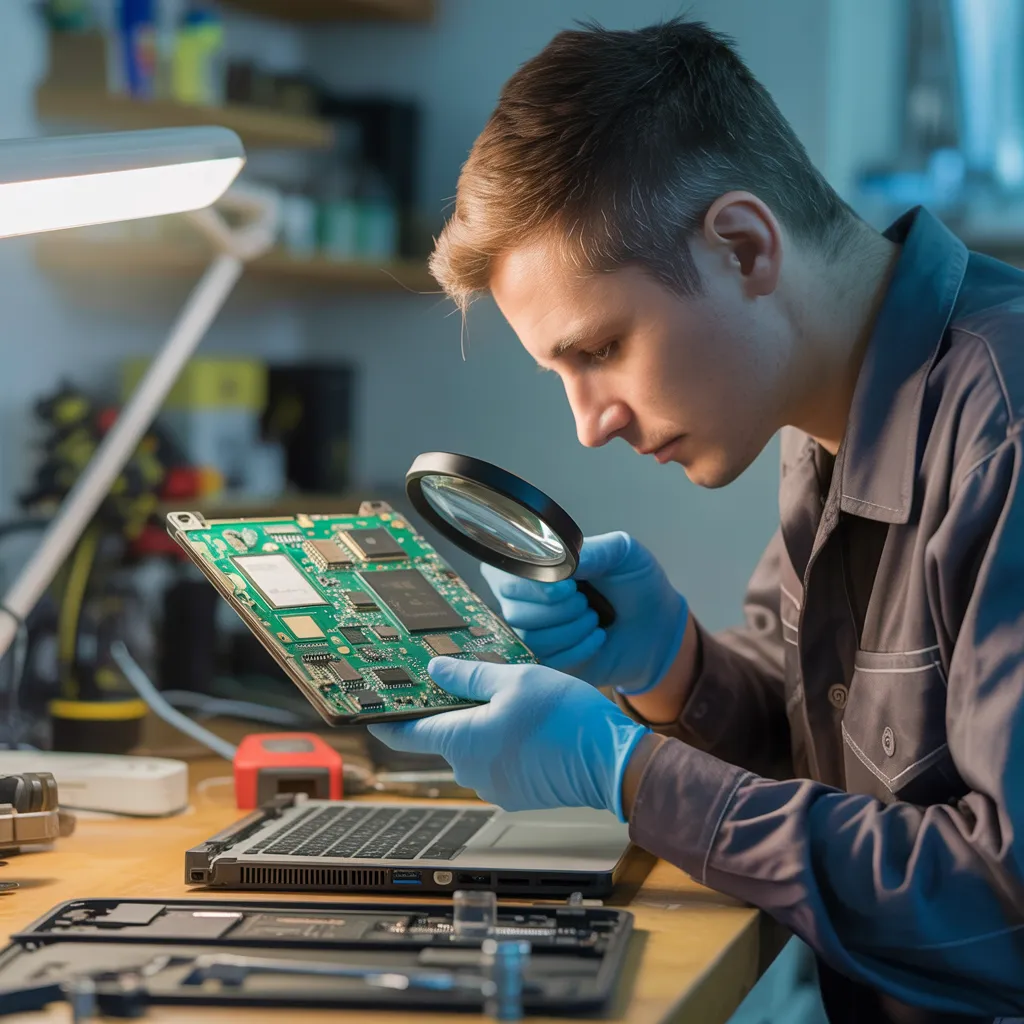
After this step, technicians dismantle the devices, removing glass, metals, and plastics. This process is vital, as it makes possible the reclamation of precious metals like silver, gold, and copper, which can be recycled in new electronic products.
Subsequently, the sorted materials are handled through advanced techniques, such as mechanical shredding and chemical processing, to cleanse them for further use.
In the final step, the residual hazardous materials are disposed of responsibly, following environmental regulations. This systematic method not only saves important resources but also minimizes the hazards associated with irresponsible electronic waste disposal, securing a more eco-conscious future for electronic device usage.
Why E-Waste Recycling Matters for You and Your Community
Though many people are unaware, the benefits of e-waste recycling go far beyond individual benefit and actively shape entire communities. By properly recycling electronic waste, individuals play a role in creating a healthier environment, reducing hazardous materials that can contaminate soil and water. This proactive approach helps preserve local ecosystems and promotes public health.
Furthermore, electronic waste recycling supports job creation within communities. Community recycling operations commonly require workers for a range of functions, spanning collection through processing, therefore offering work opportunities to area workers. This not only strengthens the regional economy but also fosters community involvement in eco-friendly practices.
Additionally, understanding of e-waste recycling has the potential to generate awareness campaigns, encouraging residents to make environmentally conscious decisions. By enrolling in e-waste recycling programs, individuals foster a culture of sustainability, encouraging others to do the same. Overall, the collective impact of these actions can lead to a more resilient and environmentally responsible community.
How to Select an E-Waste Recycling Service
Picking the right e-waste disposal service is crucial for guaranteeing that electronic waste is handled with responsibility and sustainability. Initially, people should check the service's accreditations, such as R2 and e-Stewards certifications, which demonstrate compliance with industry standards for secure waste disposal procedures. It is equally important to evaluate the company's standing by reading customer reviews and looking for recommendations from trusted sources.
Moreover, clarity in the recycling process is essential. A dependable provider should offer detailed insights about the manner in which e-waste is managed and what happens to the materials. Furthermore, evaluating the range of services offered can be beneficial; certain providers may offer collection services or present rewards for recycling.
Ultimately, learning about regional rules concerning e-waste disposal can further guide the evaluation process. When these considerations are given priority, consumers can play a role in efficient electronic waste handling while supporting environmentally responsible practices.
Ways You Can Participate in E-Waste Recycling?
Getting involved with e-waste recycling may begin at the local level, where recycling centers frequently offer essential services for responsible disposal. Moreover, participating in community awareness campaigns can strengthen efforts to inform others regarding the importance of responsible e-waste management. Such efforts not only advance environmental sustainability but also foster a collective sense of accountability for the environment.
Community Recycling Locations
Many neighborhood recycling stations fulfill a critical purpose in the recycling of e-waste, offering communities convenient opportunities to handle electronic waste in a responsible manner. These hubs welcome a range of electronic items, including old computers, smartphones, and televisions, making certain that hazardous materials are managed safely. Most centers are equipped with experienced team members who are able to assist individuals with correct disposal techniques, underscoring the benefits of recycling compared to landfilling. Additionally, various hubs coordinate drop-off events or designated collection days, enabling residents to engage without difficulty. By utilizing these local services, community members advance a circular economy, lowering environmental harm and encouraging sustainable habits. Working alongside these hubs allows communities to address e-waste pollution proactively.
Public Awareness Initiatives
Local organizations, schools, and businesses can partner to arrange initiatives that encourage e-waste collection drives. Volunteers can play a pivotal role in spreading awareness, distributing educational materials, and engaging with the community. As a result of these combined actions, local inhabitants gain greater awareness and encouragement to properly recycle their e-waste, thereby helping to build a greener and more sustainable tomorrow.
Common Questions and Answers
Which Types of Electronics Are Recyclable?
Many different electronics are able to be recycled, including laptops, televisions, smartphones, printers, computers, and gaming consoles. In addition, ancillary devices such as mice, keyboards, and batteries are equally appropriate for recycling, aiding in eco-friendly conservation initiatives.
Do Any Costs Come With E-Waste Recycling?
Yes, e-waste disposal can include costs, based on the facility. Some service centers charge fees for collection or processing, while other facilities offer free services, frequently supported by the resale of recovered materials.
How Do Businesses Gain From E-Waste Recycling?
Businesses can benefit from e-waste recycling by reducing disposal costs, enhancing their environmental image, complying with regulations, extracting valuable resources, and possibly earning income through resale, ultimately contributing to a more sustainable operational strategy.
What Occurs with Data on Recycled Devices?
Details regarding recycled devices is frequently permanently erased or eliminated during the refurbishment process. This ensures sensitive information stays protected, preventing unauthorized access while enabling resources to be recycled securely and sustainably across new manufacturing processes.
Can I Recycle Broken Electronics?
Absolutely, broken electronics can be recycled. Many centers receive defective devices, ensuring responsible disposal and retrieval of recoverable materials. This effort helps minimize the environmental footprint while promoting eco-friendly recycling methods to handle e-waste efficiently.